Canadian Supports
Travel, education, and financial supports
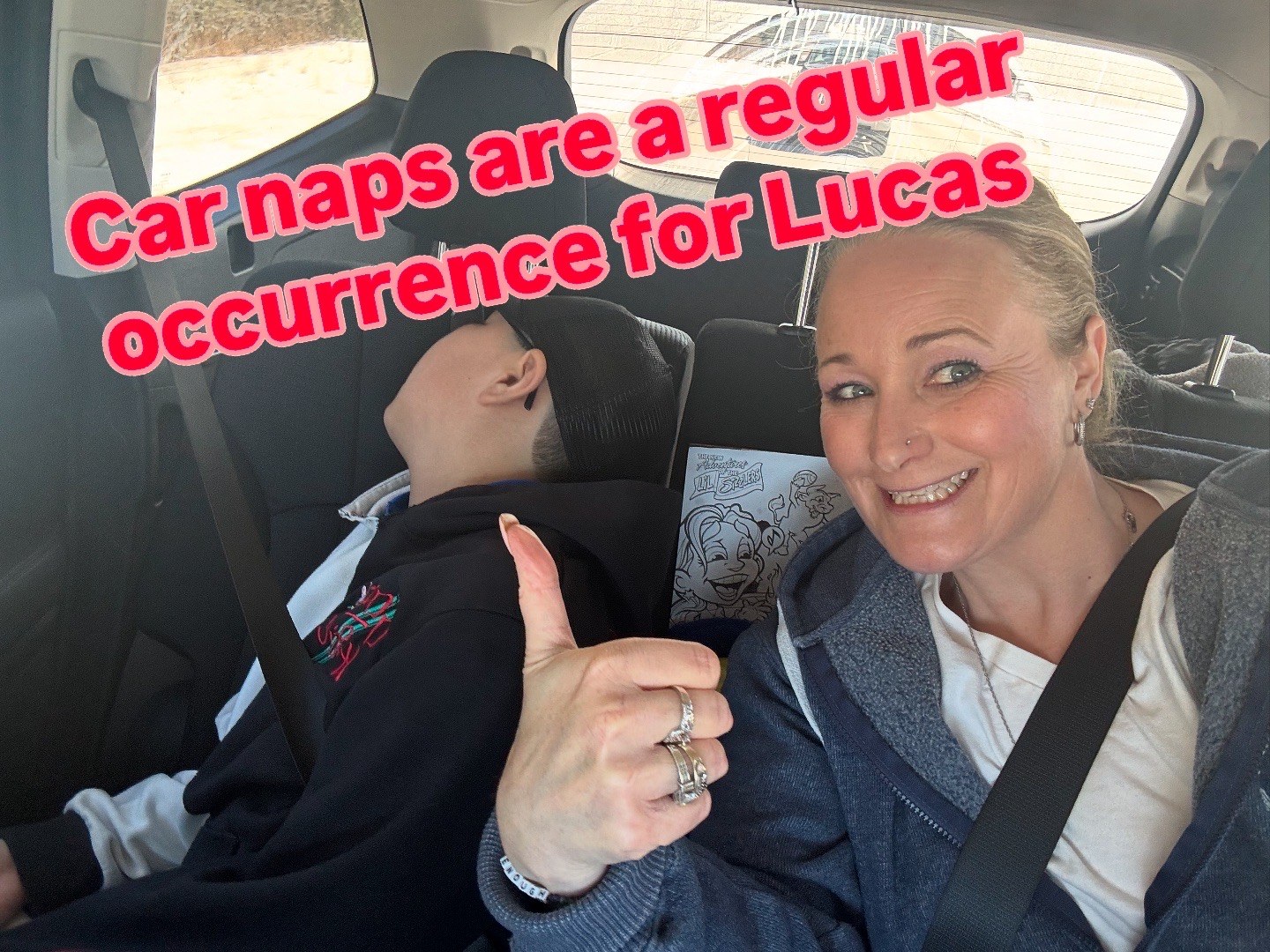
Living with narcolepsy can affect school, travel, recreation, family life, independence, and daily participation. Excessive daytime sleepiness, cataplexy, microsleeps, disrupted nighttime sleep, brain fog, memory difficulties, and the need for restorative naps can create real barriers. These resources may help Canadian individuals and families explore supports that could be available.
Across Canada
Accessible Travel & Recreation
Some people living with narcolepsy may require a support person when travelling because of disability-related needs such as excessive daytime sleepiness, cataplexy, medication schedules, cognitive difficulties, or safety concerns.
The Disability Travel Card, administered by Easter Seals Canada, is available to eligible people of all ages with a permanent disability who require a support person when travelling. Participating transportation partners may provide reduced or complimentary fares for the support person according to their individual policies. The cardholder pays the regular fare.
The Access 2 Card, also administered by Easter Seals Canada, helps people with disabilities participate in recreation, entertainment, and cultural activities. At participating venues across Canada, the person with a disability pays regular admission while their support person may receive free or discounted admission.
Always confirm eligibility, routes, booking requirements, and participating locations directly with the transportation provider or venue before travelling or visiting.
Education
School Accommodations in Canada
Students living with narcolepsy may experience fluctuating alertness, microsleeps, cataplexy, brain fog, memory difficulties, and sudden sleep episodes. These symptoms can affect attendance, learning, testing, participation, and the ability to complete schoolwork.
Students with disabilities have a right to equal access to education and disability-related accommodation under applicable provincial or territorial human rights legislation. Supports are based on the student's individual needs and the requirements in their province, territory, school board, or educational institution.
Possible accommodations may include scheduled or as-needed restorative naps, a safe and quiet place to nap, flexible scheduling, additional time for tests and assignments, testing during periods of greatest alertness, access to teacher notes or recorded lessons, assistive technology, flexible deadlines, modified workload when appropriate, and a plan for missed instruction caused by disability-related symptoms, medical appointments, or necessary naps.
For K–12 students, supports may be documented through an Individual Education Plan (IEP) or another formal accommodation process used by the student's province, territory, or school board. College and university students should contact their institution's Accessibility Services office.
Federal Support
Disability Tax Credit & Child Disability Benefit
Some Canadians living with narcolepsy may qualify for the federal Disability Tax Credit (DTC). A diagnosis of narcolepsy does not automatically qualify someone. Eligibility is based on how the impairment affects daily life and whether the person meets the Canada Revenue Agency's criteria.
The CRA considers whether an impairment is severe and prolonged and whether the person is markedly restricted in one or more eligible categories, significantly restricted in two or more categories where the combined effect is equivalent to a marked restriction, or requires qualifying life-sustaining therapy.
For some people with narcolepsy, the category of mental functions necessary for everyday life may be relevant, including attention, concentration, memory, judgement, goal-setting, problem-solving, and regulating behaviour and emotions. A medical practitioner must certify the effects of the impairment, and the CRA makes the final eligibility decision.
When a child under age 18 is approved for the DTC, the family may also be eligible for the Child Disability Benefit (CDB), a tax-free monthly payment for eligible families. The amount depends on adjusted family net income and other eligibility criteria.
Important: Supports and Resources Vary Across Canada
Canada's provinces and territories have different education systems, disability programs, funding opportunities, healthcare services, and processes for requesting accommodations and supports.
The availability of a program, benefit, accommodation, or funding option in one province or territory does not necessarily mean that the same support is available elsewhere in Canada.
Narcolepsy Voices of Canada encourages individuals and families to contact their provincial or territorial government, school board, educational institution, healthcare provider, or the organization responsible for administering a program to confirm current eligibility requirements and available supports.
The information provided on this website is for general informational and educational purposes and should not be considered legal, medical, financial, or tax advice. Programs, policies, and eligibility requirements may change over time.
Provincial & Territorial Resources
Ontario
In Ontario, students with disabilities may be protected under the Ontario Human Rights Code, and schools have a duty to accommodate disability-related needs to the point of undue hardship. Accessibility requirements may also arise under the Accessibility for Ontarians with Disabilities Act (AODA).
Ontario students living with narcolepsy may require an Individual Education Plan (IEP) that documents accommodations such as restorative naps, access to a safe place to sleep, flexible testing, additional time, assistive technology, access to notes, and support for missed instruction.
Some Ontario students may also be eligible for assistive technology or specialized equipment through the Special Equipment Amount (SEA) process. Depending on the student's individual needs and supporting documentation, technology such as a Chromebook, laptop, tablet, or specialized software may help with note-taking, organization, text-to-speech, speech-to-text, access to digital learning materials, and memory or attention challenges related to narcolepsy.
Additional provincial and territorial resources will be added as they are identified and verified.