⚾Sports and activities
Plan around energy—not around limitations
Lucas is a big sports fan who loves being outside. Late evening baseball games may mean a longer afternoon nap or extra time to wake the next morning. For away games, he often naps in the car and arrives with an extra burst of energy.
Tournaments can be long. Lucas often does well throughout the day and then needs a recovery day afterward. That recovery time is part of participating—not a failure to participate.
Sleepovers and camp
The people involved make the difference
Sleepovers are generally with close friends and family who understand that Lucas may fall asleep earlier. Lucas tells his friends that he has narcolepsy and may need to sleep before everyone else, but he still enjoys popcorn, movies, laughter and all the fun of staying over.
Medication requires thoughtful planning. We let the other parent know that Lucas needs a reminder, and he carries his medication in a blister pack. Taking medication away from home can feel sensitive for a young person, so we try to support his growing independence without making him feel singled out.
At his first overnight Air Cadet camp, Lucas packed most of his own clothing and supplies, then checked in with Mom for confirmation. He was comfortable having us speak with his Lieutenants about his narcolepsy symptoms and medication. The understanding adults and supportive young people around him made all the difference. He had an exciting time and looks forward to returning.
Travel
Flexibility is one of the best things a family can pack
On a flight to Spain, Lucas wanted to stay awake and watch everything happening around him, but his body was exhausted. After landing, the time change and jet lag led to nearly eighteen hours of sleep. Once his body reset, he felt great and enjoyed the trip.
During a long drive from Ontario to Eastern Canada, Lucas slept for much of the journey. We noticed that active engagement with a handheld device could help him remain awake; once it was removed, he often fell asleep almost instantly.
Time changes can be especially difficult. Gradually shifting bedtime by 10–15 minutes each night before travel has helped our family prepare, although every person with narcolepsy may respond differently.
Growing up
Supportive friends help children become confident young adults
Lucas has friends who support his medical journey, and classmates who notice when he is sleepy or experiencing cataplexy. Puberty has intensified fatigue, emotions, mood changes and memory challenges, so we continue adapting as he grows.
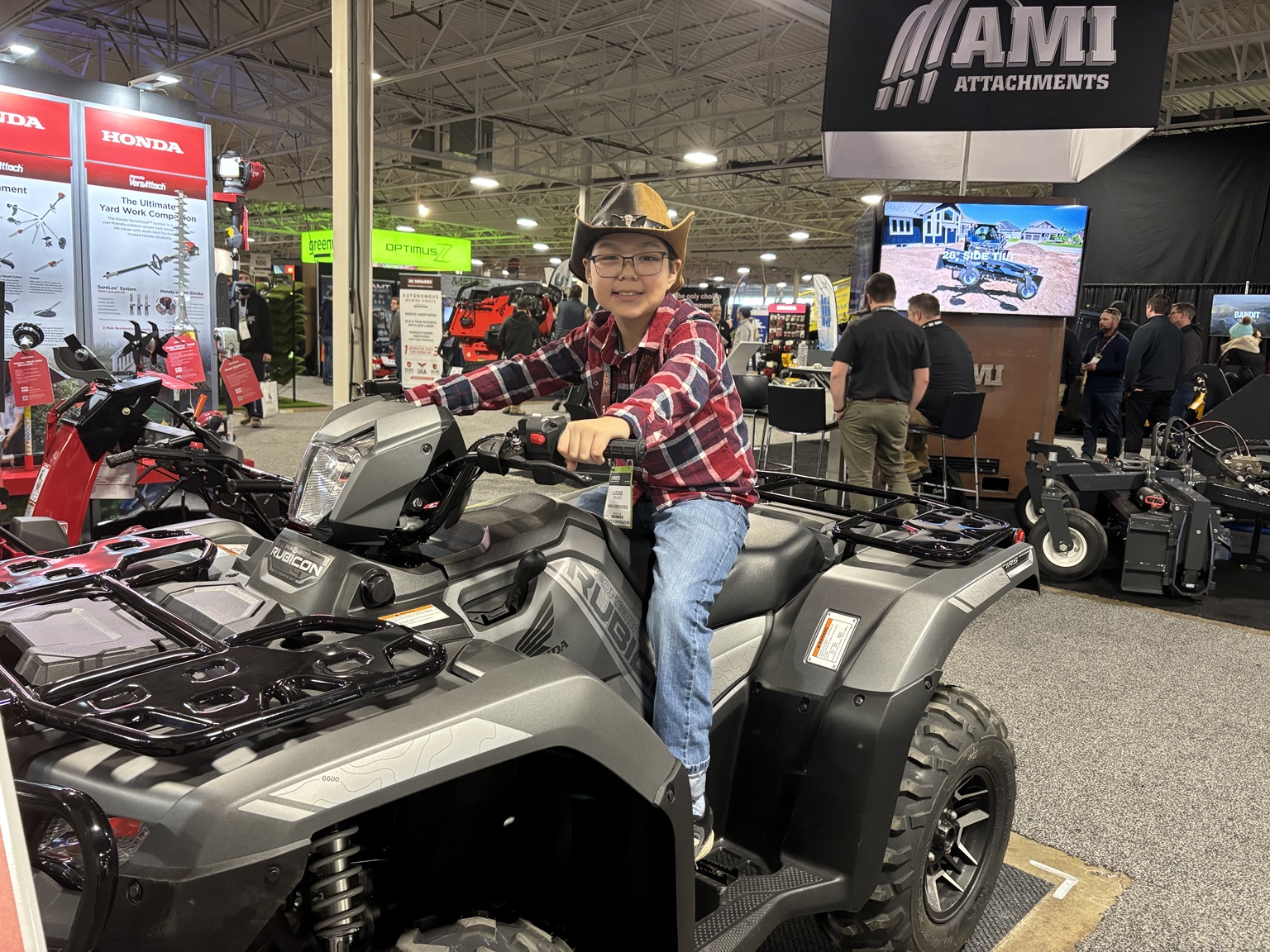
He has also completed the Red Cross Babysitting Course and earned his ATV licence—important milestones that show a diagnosis does not define what a young person can achieve.
“I wish my friends and teachers knew more about narcolepsy—and more about me.” — Lucas