
Family Guide

Preparing for a
Sleep Study

Helping your family feel prepared, informed, and supported.

HomeStart HereSleep Study Guide
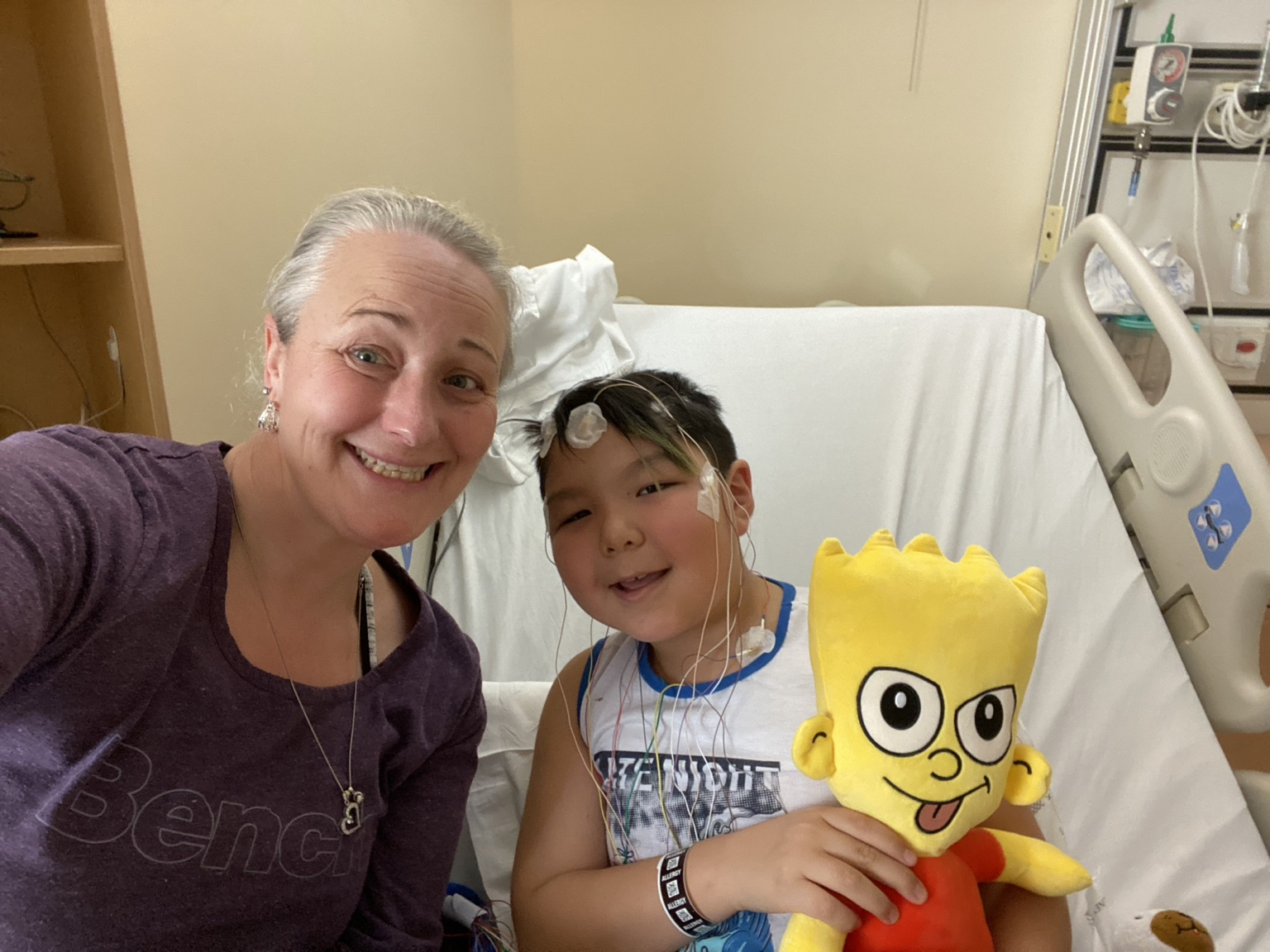
Lucas with his mom Kathy during a sleep study, smiling together while Lucas is connected to monitoring sensors
👣 Lucas’s Experience
💙
Before you begin

Every sleep centre has its own instructions. Follow the directions from your child’s sleep team, and contact the centre directly when you are unsure what to bring or what will be permitted.

🩺

What the Experts Say

What the testing may involve

An overnight polysomnogram records several body functions while a person sleeps, such as brain activity, breathing, oxygen levels, heart rate, and movement. For children being assessed for narcolepsy, it may be followed the next day by a Multiple Sleep Latency Test (MSLT).

During an MSLT, the person is offered a series of scheduled nap opportunities. The test helps the sleep team measure how quickly sleep begins and whether rapid-eye-movement sleep appears during the naps. Your specialist and sleep centre will explain the specific process for your child.

Sources: SickKids/AboutKidsHealth sleep-study information, Stanford Health Care MSLT information, and published AASM paediatric MSLT protocols.

👣

Lucas’s Experience

The overnight study and MSLT felt very different

The overnight sleep study was easier than we expected. A parent was able to stay overnight with Lucas, which helped him feel more comfortable. Although he was connected to several sensors and wires, the sleep technologists were patient and reassuring, and after a little while he adjusted well.

The Multiple Sleep Latency Test the following day was the most difficult part for him.

Throughout the day, Lucas was asked to lie down and try to fall asleep for a series of scheduled naps. Each time he fell asleep, the technologists woke him after the testing period before the next nap began.

Because Lucas naturally fell asleep so quickly, being repeatedly awakened became frustrating and exhausting. As the day went on, he became increasingly agitated because every time he finally fell asleep, he was woken up again. He found the day mentally and physically tiring.

During Lucas’s test, he remained in the testing room, which had a private bathroom, and he stayed connected to multiple wires. There were long periods of waiting between naps.

“We wish we had understood how tiring the daytime portion could feel for a child who falls asleep so quickly.”

From Our Family

Bring what helps your child feel safe and at home

Anything that helps your child feel familiar, secure, and comfortable can make an unfamiliar room feel less overwhelming. Every centre has different rules, so confirm what is permitted before packing.

  • A favourite blanket or pillow
  • A stuffed animal or comfort item
  • Comfortable pyjamas and clothing
  • Books, colouring, cards, or quiet games
  • A tablet and headphones, if permitted
  • Chargers for electronic devices
  • Snacks or drinks, if permitted
  • Anything that helps your child relax

Knowing that a parent could remain overnight helped reduce Lucas’s anxiety. A familiar face nearby offered reassurance during a new and highly structured experience.

💡

What We Wish We Had Known

We knew the overnight study mattered, but we were not prepared for how tiring the MSLT would be. Lucas naturally fell asleep very quickly, so being repeatedly woken became frustrating for him.

Knowing this beforehand would have helped us explain the rhythm of the day, plan more quiet activities, and arrange a very restful evening afterward.

?

Questions You May Wish to Ask

  • Will my child have both an overnight study and an MSLT?
  • May a parent stay overnight?
  • What should we bring?
  • What may my child do between naps?
  • Are food and drinks provided or permitted?
  • Can prescribed medications be taken as usual?
  • When and how will results be shared?
Important Note

The information shared by Narcolepsy Voices of Canada is for education, support, and connection. It combines lived experience with general information from reputable sources and does not replace advice or instructions from your healthcare team. Sleep-centre procedures and parent-accommodation policies can differ.

👣

One step at a time.

You do not have to know every answer before walking through the sleep-lab doors.